
Industries.
Buildings, rail, mining, power and utilities, heavy civil and property. One platform for every asset you are accountable for.
Industries
One platform. Every asset. Total visibility.
Managing critical infrastructure faces the same pattern: asset registers in spreadsheets, condition assessments in PDFs, maintenance history in a separate CMMS, photos on someone's phone, and compliance certificates scattered across folders. When leadership asks a question, someone spends a fortnight pulling it all together and the answer is already out of date.
Most organisations manage their assets the way you do: a master register in Excel, condition assessments delivered as a 180-page PDF every five years by a consultant, photos on someone's phone, maintenance history in a separate CMMS, invoices in finance, and the Matterport scans in yet another account. When the director or a councillor asks a question, someone spends a fortnight pulling it all together, and the answer is already out of date by the time it's presented.
AssetStack replaces that with a single platform where the register, condition grades, photos, 3D scans, work orders, maintenance history, replacement costs and reports all live together, stay current, and can be queried in plain English.
Visit the page for BuildingsModules
Asset Tree
The full hierarchy: site → building → level → room → asset class → component, drill-down in one click.
Condition Assessment
The structured room-by-room assessment with grades, photos, quantities and Current Replacement Cost.
Inspection Cycles
Schedules recurring inspections so condition data never goes stale.
Field Survey
Captures condition in the field, on device, offline.
Capital Plan
The year-by-year renewal programme by asset, room and building.
Funding Optimiser
Test annual budget caps and see the backlog consequence.
Scenario Modeller & Scenario Compare
Model deferral, inflation and climate stress, then compare scenarios side by side.
Defect Backlog
Rank defects by urgency and cost.
Defect Cascade
Predict which deferred defect triggers a bigger failure downstream.
Work Orders / Maintenance
Create, assign and track work orders.
Predictions
Flag equipment likely to fail before it does.
Problems solved
“I don't know what we own.”
Every building, room and component in one register, quantities, rates, grades and replacement costs.
“Our condition data is five years old.”
Condition is continuous, re-scan a room and grades update; close a work order and remaining life recalculates.
“It takes two weeks to answer a director's question.”
Ask AssetMind in plain English and the report is there in seconds.
“Our Forward Works Programme is a spreadsheet I rebuild every year.”
The 20-year FWP is generated from assessment data and updates itself as conditions change.
“I can't tell you what happens if we defer $200k of work.”
The Funding Optimiser shows the ten-year backlog consequence of any budget cap before you commit.
“We replace things after they fail.”
Predictions flag equipment before it fails and cascade modelling shows which deferred fix becomes a bigger failure.
“Nobody can find the photos or the history.”
Every photo, scan, work order and record is attached to the asset it belongs to.
“We pay a consultant to re-discover what we already know.”
Condition assessment is built in and continuous. Consultant spend shifts to specialist work only.
“Reports take a week and the numbers don't tie out.”
One-click reports where every number traces back to its source record. Audit-ready by default.
“Six systems, three people and a shared drive, and I'm the join.”
Register, grades, photos, work orders, costs and reports live in one place.
Industries · 02
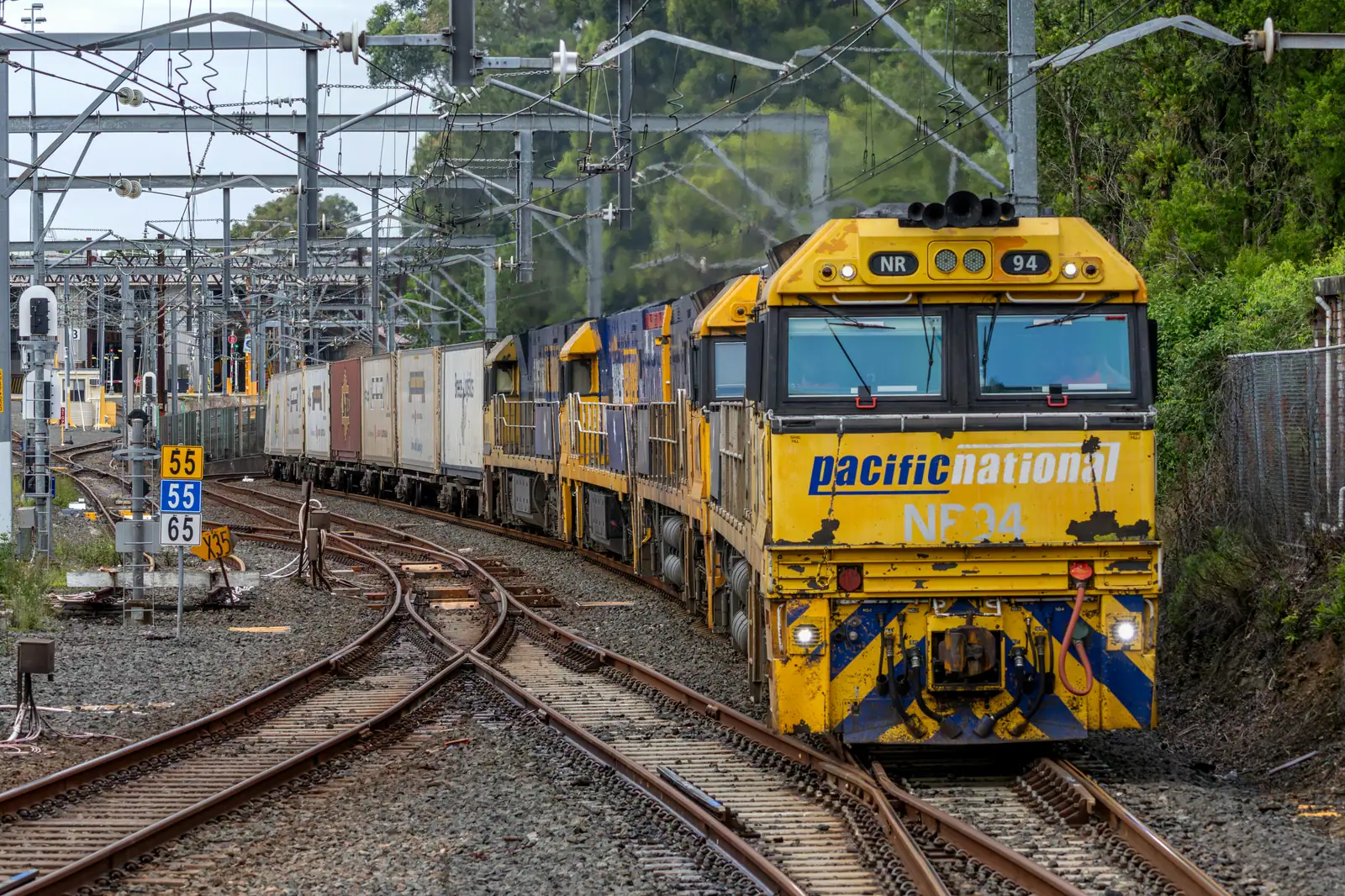
Rail Infrastructure
AssetStack is an integrated rail asset intelligence, predictive maintenance and operational decision platform. It brings together track geometry, rail condition, welded track stability, switches and crossings, signalling, substructure, sensors, digital twins, inspections, work orders, possessions, materials, compliance and capital planning.
Traditional asset systems show what is recorded. AssetStack identifies what is changing, diagnoses why it is changing, forecasts what may happen next, recommends an intervention, supports delivery, and verifies whether the work achieved the intended result.
The platform follows one continuous engineering process: Detect → Diagnose → Decide → Execute → Verify.
Visit the page for RailModules
Evidence Classification
Every result classified as measured, derived or modelled. Confidence matched to evidence quality.
The Continuous Engineering Process
One connected process, not five disconnected systems. Every intervention traced to evidence.
The Decision Layer
Network Command Centre and Network Decision Room. A common operational picture with governed decision review and approval.
Predictive Track Geometry
Analyses track geometry at sample, defect, segment, corridor and network level. Rate-of-change run comparison and geometry forecasting with confidence.
Track Condition Index
Consistent network-wide condition comparison with deterioration velocity, peer comparison and intervention simulation.
Welded Track Stability Analysis
Stress free temperature register, measured vs inferred SFT evidence, stability loss and temperature headroom.
Rail Condition & Fracture Intelligence
Rail wear, defect lifecycle records, crack growth scenarios and transparent fracture risk assumptions.
Problems solved
“I can't tell if this is measured data or a model guess.”
Every result is classified: measured, derived or modelled. Confidence matched to evidence quality.
“Our geometry data lives in a spreadsheet from the last vehicle run.”
Continuous geometry strip charts with exceedance consolidation and rate-of-change comparison across successive runs.
“We diagnose failures after they happen.”
Detect → Diagnose → Decide → Execute → Verify. Each stage produces the evidence the next depends on.
“Decisions are made in meetings with no traceable record.”
The Network Decision Room converts findings into controlled, traceable actions with review, approval and verification.
“Our welded rail stability assessment uses inferred temperatures as facts.”
Measured stress free temperature evidence is differentiated from inferred values. Stability conclusions carry evidence quality.
“We don't know if the last intervention actually worked.”
Verify compares condition before and after. Record effectiveness. Feed verified outcomes back into the models.
Industries · 03
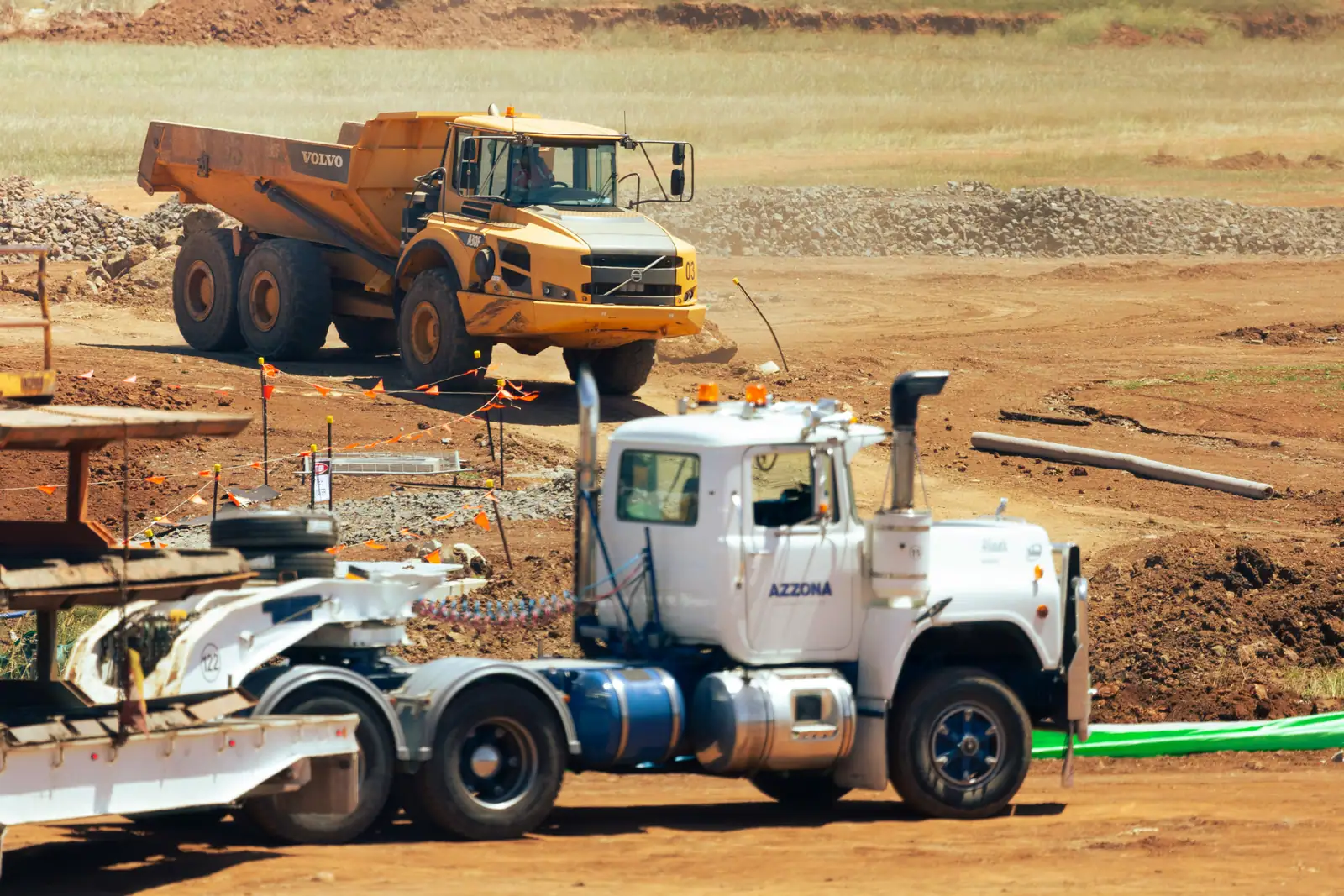
Mining, Oil and Gas
AssetStack is the mining and resources decision operating system. It connects the full value chain, pit and well to port and market, into one governed operating picture, so production, integrity, maintenance, supply, energy and capital decisions are made on current evidence, ranked by operational consequence, and verified against actual outcomes.
One source-to-market production model models extraction, mineral processing, gathering systems, pipelines, rail, ports and stockpiles as a single capacity-constrained flowsheet. Every stage carries its design capacity, current throughput, buffer, redundancy and margin-per-unit, so the economic consequence of any outage is traceable from the failing asset to lost production and margin exposure, not asserted, but calculated.
Visit the page for Mining, Oil & GasModules
Source-to-Market Production Model
Extraction, processing, transport and market delivery as a single capacity-constrained flowsheet.
Operational Asset Models
Equipment, pressure systems, ground control zones, tailings facilities and safety-critical elements linked to the stages they serve.
Reliability Execution
Preventive, predictive and corrective work prioritised by failure consequence, production exposure and intervention readiness.
Critical Control & Integrity Assurance
Safety-critical elements, SIFs, pressure systems and tailings governed against performance standards and TARP triggers.
Value-at-Stake Economics
Lost tonnes, downtime, energy and risk translated into margin exposure using the operator's own commodity price and margin-per-unit.
Governed Decisions with Verified Outcomes
Structured proposal → approval → implementation → verification lifecycle with independently verified savings ledger.
Problems solved
“Our production, maintenance and integrity data live in four different systems.”
One governed operating picture connecting the full value chain from pit to port.
“We prioritise work by condition severity, not production impact.”
Work is ranked by failure consequence and production exposure. The work that protects the most margin is done first.
“Overdue proof tests and bypassed trips surface too late.”
Critical control assurance with performance standards, proof-test intervals and TARP trigger tracking.
“Our capital plans use generic benchmarks, not our actual margin.”
Value-at-stake economics using your commodity price, recovery, utilisation and margin-per-unit.
“We have no traceable record of why a decision was approved.”
Every material recommendation moves through proposal → approval → implementation → verification with evidence basis retained.
“Our models never learn from whether the intervention worked.”
Verified outcomes are measured, learning deltas recorded, and savings independently verified, not self-attested.
Industries · 04
Power + Utilities
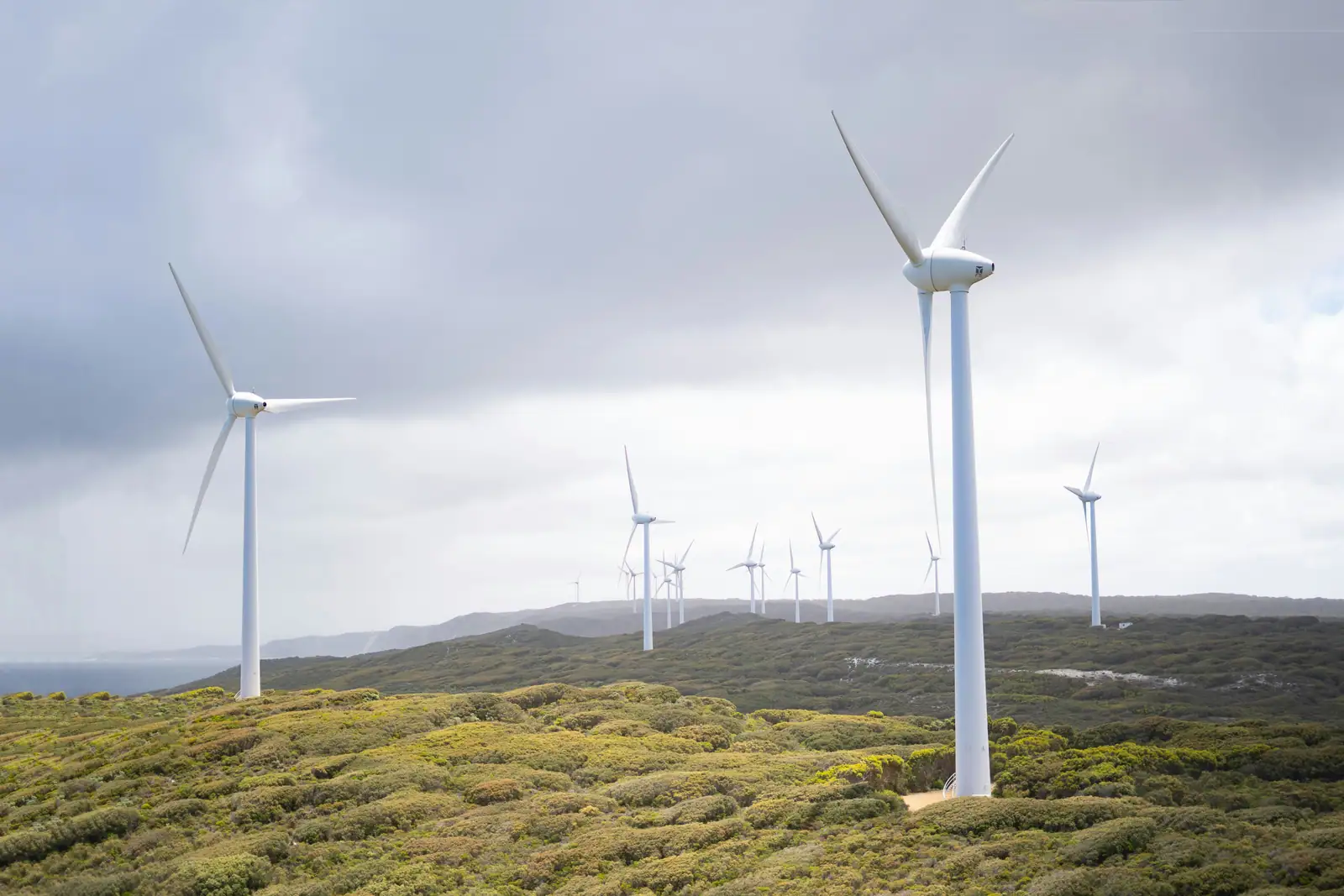
AssetStack is designed for organisations managing large portfolios of physical infrastructure across complex environments, electricity transmission and distribution networks, substations, power generation facilities, renewable energy assets, water treatment plants and associated civil infrastructure.
For network operators and the contractors who support them, the challenge is not simply maintaining individual assets. It is understanding the condition, risk, performance and future investment requirements of thousands of interconnected assets across multiple sites, contracts and operating environments with defensible evidence for regulators like the AER and IPART.
AssetStack creates a connected layer of asset intelligence that sits alongside existing operational and enterprise systems, combining structured asset registers, 3D digital environments, condition assessments, inspection workflows, AI-assisted analysis and predictive capital planning.
Visit the page for Power & UtilitiesModules
Visual, Component-Level Asset Register
Network → region → substation → asset system → equipment → component.
3D Digital Twins and Spatial Intelligence
Navigate a digital representation of a facility and select individual assets to access their records.
Condition-Based Asset Management
Actual condition informs maintenance and replacement decisions, not just age and fixed schedules.
AI-Assisted Condition Intelligence
Reduce manual effort reviewing large volumes of inspection information while improving consistency.
Predictive Maintenance and Lifecycle Planning
Proactive maintenance informed by deterioration, maintenance history and replacement costs.
Dynamic Forward Works and Capital Planning
Capital forecasts connected directly to the underlying asset register and condition information.
Integration with Existing Enterprise Systems
Complements EAM, GIS, finance and document management systems rather than replacing them.
Problems solved
“Asset information is distributed across multiple systems, teams and contractors.”
One connected layer of asset intelligence alongside existing operational systems.
“Inspection results are difficult to compare consistently across sites.”
Structured condition assessments with AI-assisted classification and cross-portfolio pattern detection.
“Maintenance decisions are driven by age and fixed schedules.”
Condition-based asset management reflecting actual state, environmental exposure and loading history.
“Long-term replacement programs are static spreadsheets.”
Dynamic forward works that update when new inspection data arrives. A living model, not a static plan.
“Asset owners have limited visibility of contractor-maintained infrastructure.”
Common environment for reviewing information from different contractors with consistent asset hierarchies.
“Engineering teams spend weeks consolidating information for capital planning.”
One-click capital forecasts and board packs generated straight from live condition data.
Industries · 05
Heavy Civil Infrastructure
Bridges, tunnels & equipment
AssetStack connects structural condition, mechanical systems, safety-critical equipment and inspection workflows into a single intelligence platform for bridges, tunnels, motorways and ports, so infrastructure owners and contractors can move from fragmented inspection reports to defensible, regulator-ready asset decisions.
With 50,000+ public road bridges across Australia managed by 800+ organisations, and major contractors maintaining hundreds of bridges and multiple tunnels per network, the challenge is not lack of inspection data. It is the lack of connection between bridge condition, tunnel safety compliance, pavement deterioration and capital planning all living in separate systems, PDFs and spreadsheets.
Visit the page for Heavy CivilModules
ARRB-Aligned Inspection Management
Level 1 (routine), Level 2 (detailed visual) and Level 3 (structural investigation) with structured data capture and photo evidence.
Component-Level Condition Register
Deck, superstructure, substructure, bearings, joints, parapets, drainage, approach; tunnel lining, pavement, ventilation, lighting, fire suppression, ITS.
3D Digital Twin for Structures
Navigate a digital representation and select individual elements to access inspection records and condition grades.
Structural Health Monitoring Integration
Connect sensor data to the digital twin with alerts when measured behaviour deviates from baseline.
Tunnel Safety System Compliance
Track ventilation, fire detection, emergency lighting and drainage against performance standards and proof-test intervals.
Shutdown Maintenance Planning
Coordinate structural, mechanical, electrical and pavement works in a single integrated schedule.
Dynamic Forward Works Programme
Model bridge rehabilitation and tunnel refurbishment based on actual condition, not static age-based schedules.
Problems solved
“Bridge inspections live in consultant PDFs with no link to photos.”
Every inspection photograph geotagged, dated and linked to the specific asset element.
“Tunnel safety systems are maintained on separate schedules with no connection to structural condition.”
Integrated tunnel safety system compliance with proof-test tracking and overdue alerts.
“Pavement resurfacing is planned by age, not by actual ride quality.”
Pavement condition linked to traffic loading, climate exposure and maintenance history.
“After a weather event, damage assessment takes weeks.”
Before/after comparison in hours using baseline condition data and post-event inspection.
“Our forward works programme is a static spreadsheet rebuilt every 3 to 5 years.”
Dynamic programme that updates when new Level 2 inspection data arrives.
“We have no integrated view of which structures, tunnels and safety systems are compromised.”
One governed operating picture with network condition summaries, risk maps and asset drilldown.
Industries · 06
Property Managers
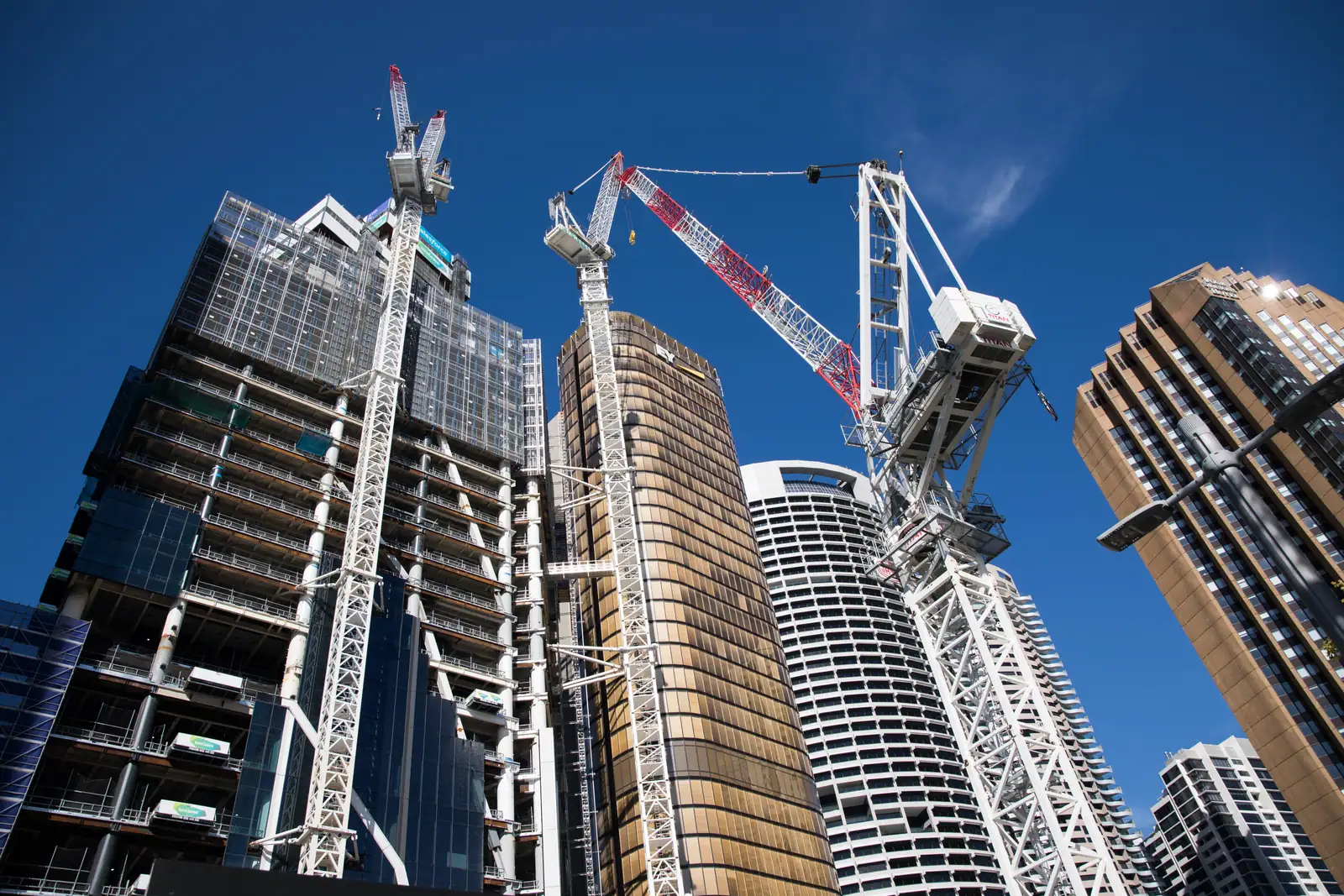
AssetStack gives property managers one system for maintenance, residents, compliance and building finances, instead of five disconnected tools. A maintenance request becomes a triaged defect, becomes a work order, becomes a recovered cost, without anyone re-keying data.
Property managers are caught between owners who want answers, residents who want fast service, contractors who need clear instructions, and committees who want proof that money is being spent well. AssetStack brings all of it into one platform, with AI that predicts failures, residents who self-serve through guided portals, and committee-ready reporting generated from live data.
Visit the page for PropertyModules
Predictive Maintenance
ML failure prediction and remaining useful life per asset with auto-generated work orders.
AI Maintenance Scheduler
Optimises timing across trades, access windows and amenity closures.
Resident Services
Defect intake with guided reporting and photo upload; amenity bookings with automatic closure blocking; move-in/move-out requests.
Defects, Handover and Recovery
Snagging across QA, handover, walkthrough and DLP; voice-to-text capture; digital sign-off; warranty claim management.
Body Corporate and Committee Portal
Standalone committee view of building summary, compliance, forward works and announcements.
Finance and Capital
20-year sinking fund modelling, capital plan with risk matrix, funding optimiser and scenario modeller.
Compliance and Governance
Compliance register with certificates and statutory inspection cycles; role-based permissions and audit logging.
AssetMind AI Assistant
Plain-English questions about the building, its snags, claims or finances.
Who it is built for
AssetStack is built for the people who bridge the gap between physical assets and financial decisions.
From the engineer in the field to the CFO in the boardroom.
Asset Managers
Need visibility across thousands of assets, condition grades that update continuously, and capital plans that defend themselves to regulators and auditors.
Engineers & Inspectors
Need mobile tools for field capture, photo evidence linked to assets, and inspection workflows that feed directly into deterioration models and work orders.
Maintenance Contractors
Need consistent asset registers across multiple client portfolios, SLA tracking, and the ability to move from reactive repairs to predictive intelligence.
Finance & Planning
Need 20-year forward works programmes, scenario modelling, and verified savings ledgers where every dollar traces back to an inspection photo.
Committees & Boards
Need committee-ready reports, sinking fund forecasts, and one-click board packs generated from live data, not assembled by hand.
Compliance Officers
Need certificate registers, statutory inspection cycles, due-date alerts and audit trails that satisfy regulators, insurers and auditors.
Property Managers
Need one system for maintenance, residents, compliance and building finances where a defect becomes a work order becomes a recovered cost without re-keying.
Operations Leaders
Need a command centre showing network condition, risk summaries, priority actions and execution blockers with drill-down to the individual asset.
Get in touch
Book a working demo.
Tell us about your portfolio. We'll run a tailored session. No platform access until you're ready.
Thanks.
We'll be in touch within one business day.